How to Generate Leads Through Facebook Marketing

Related Insights
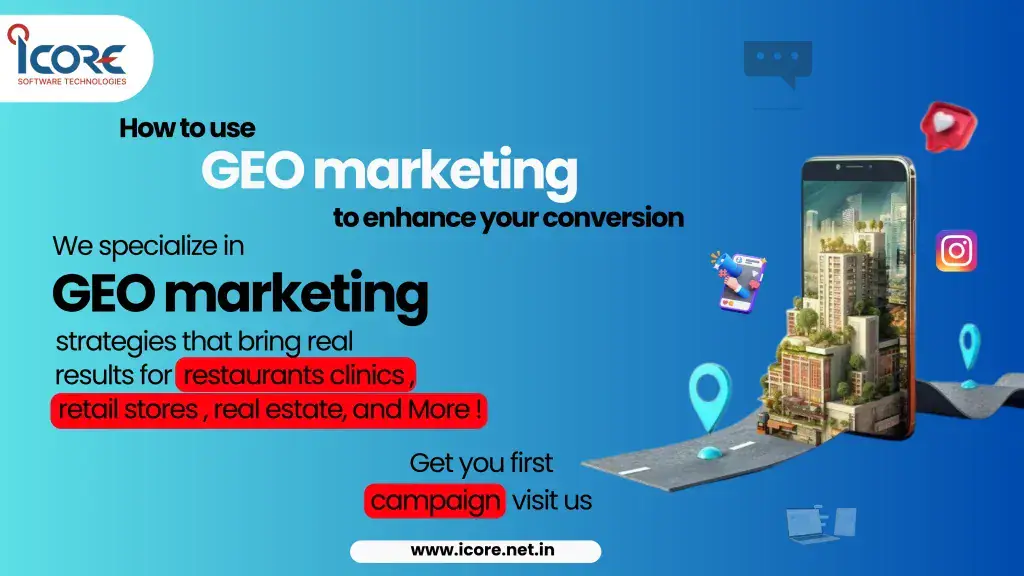
How to Use Geo Marketing to Enhance Your Conversions
How to Take Your Business Online Successfully in 2026
Key Takeaways
- •WordStream's 2026 benchmark data shows lead-gen campaigns averaging a 7.72% conversion rate, down from 8.67% the prior year, a decline tied mostly to rising competition, not the format losing effectiveness.
- •Lead-gen ads hold a 2.59% average click-through rate, noticeably higher than the 1.71% seen on general traffic campaigns, per the same benchmark data.
- •Cost-per-lead rose roughly 21% year-over-year across the WordStream panel, meaning campaigns that aren't tightly targeted are getting more expensive to run than they were twelve months ago.
- •Fitness and services-based industries post some of the highest lead-gen conversion rates in the WordStream dataset, with the fitness category alone reaching 14.29%.
- •Facebook's native Lead Ads format, which keeps the form inside the platform instead of sending users to a landing page, consistently outperforms off-platform landing page forms because it removes a load-time and trust barrier.
- •60% of the industries WordStream tracks saw conversion rates fall in the past year, which means the businesses still growing leads are the ones actively refining targeting and creative rather than running the same ad on repeat.
How to Generate Leads Through Facebook Marketing
Facebook lead-generation campaigns convert at an average of 7.72% for form completions, according to WordStream's most recent benchmark report, well above the 1.6% seen on ecommerce purchase campaigns. That gap tells you something important: Facebook is a genuinely strong lead-capture channel, even in a year where costs have risen and audiences have grown more selective about what they'll hand over their number for.
The businesses getting real leads out of Facebook right now aren't the ones boosting posts and hoping. They're running a specific, repeatable process: the right ad format, a form that doesn't ask for too much, and a follow-up system that doesn't let a lead go cold for three days. Here's how that process actually works.
Key Takeaways
- WordStream's 2026 benchmark data shows lead-gen campaigns averaging a 7.72% conversion rate, down from 8.67% the prior year, a decline tied mostly to rising competition, not the format losing effectiveness.
- Lead-gen ads hold a 2.59% average click-through rate, noticeably higher than the 1.71% seen on general traffic campaigns, per the same benchmark data.
- Cost-per-lead rose roughly 21% year-over-year across the WordStream panel, meaning campaigns that aren't tightly targeted are getting more expensive to run than they were twelve months ago.
- Fitness and services-based industries post some of the highest lead-gen conversion rates in the WordStream dataset, with the fitness category alone reaching 14.29%.
- Facebook's native Lead Ads format, which keeps the form inside the platform instead of sending users to a landing page, consistently outperforms off-platform landing page forms because it removes a load-time and trust barrier.
- 60% of the industries WordStream tracks saw conversion rates fall in the past year, which means the businesses still growing leads are the ones actively refining targeting and creative rather than running the same ad on repeat.
What Generating Leads Through Facebook Marketing Actually Means
Lead generation on Facebook means using ads to collect contact details, usually name, phone number, and email, from people who haven't bought yet but have shown interest, so your sales team can follow up directly. This is distinct from running ads that send traffic to your website or push a direct sale; the entire point is capturing a warm contact you can call, WhatsApp, or email later, which matters enormously for high-consideration purchases like real estate, education, home renovation, or B2B services where nobody buys on the first click.
Facebook offers two main ways to do this: Lead Ads, where the form opens natively inside the app without leaving Facebook, and Traffic or Conversion campaigns pointed at a landing page with your own form. Both work, but they behave very differently in terms of cost and drop-off.
What It Looks Like When It's Working
Scenario: A Coimbatore-based interior design studio was spending about ₹25,000 a month on boosted Facebook posts with no lead form at all, generating maybe 8-10 direct enquiries a month through comments and messages, most of which were tyre-kickers asking for pricing with no follow-through. They switched to a proper Lead Ads campaign targeting homeowners in a 15km radius who'd recently engaged with home-renovation content, using a short 4-field form (name, phone, locality, budget range) instead of a long questionnaire.
Within the first month, they generated 96 qualified leads at roughly ₹280 per lead, and their sales team, using a same-day call-back rule, converted 11 of those into paid consultations worth an average of ₹45,000 each. That's roughly ₹27,000 in ad spend producing close to ₹5 lakh in booked consultation revenue in month one, a return that simply wasn't visible before because the old approach had no structured way to capture or follow up on interest.
How to Generate Leads Through Facebook Marketing
Use native Lead Ads instead of an off-platform landing page for most campaigns
Because the form loads instantly inside Facebook and pre-fills with the user's saved details, drop-off is far lower than sending someone to a separate landing page that has to load, especially on slower mobile connections common outside metro areas.
Keep the form to four fields or fewer
Every additional field after the essentials (name, phone, and one qualifying question) measurably reduces completion rate. Ask for budget range or timeline as your one qualifying field instead of a full intake form.
Target warm signals, not just demographics
Layer in engagement-based audiences, people who watched 50%+ of a previous video, visited your page, or interacted with a past post, on top of location and age targeting. These audiences consistently outperform cold, interest-only targeting on cost per lead.
Call back within the first hour
Lead quality decays fast; a lead that isn't contacted within an hour is measurably less likely to convert than one called back immediately, since interest is highest right after they submit the form. Build this into your sales process, not just your marketing plan.
Test the offer, not just the image
With CPLs rising roughly 21% industry-wide per WordStream's data, the biggest lever left isn't creative polish, it's the offer itself: a free consultation, a downloadable price guide, or a limited-slot discount will usually move conversion more than a better photo.
Sync leads directly into a CRM or WhatsApp follow-up flow
Manually exporting a CSV once a day guarantees delayed follow-up. Use Facebook's native CRM integrations or a simple webhook so a new lead triggers an immediate WhatsApp or call task.
Run retargeting to people who opened the form but didn't submit
Facebook lets you build a custom audience of people who engaged with the lead form but abandoned it. This segment is already warm and often converts well with a lighter-touch follow-up ad.
Review cost-per-lead weekly, not monthly
Given how fast CPLs are moving industry-wide, a monthly review cycle means you could burn three or four weeks of budget on an underperforming ad set before catching it.
Common Challenges and How to Overcome Them
"We get leads but they don't answer calls."
This is almost always a speed and quality issue combined. Tighten your form's qualifying question so unqualified people self-select out, and shrink your callback window to under an hour. Both moves reduce the volume of leads who submitted on impulse and forgot.
"Cost per lead keeps climbing every month."
Rotate creative every 2-3 weeks before fatigue sets in, and widen or refresh your audience rather than leaving the same ad set running indefinitely. WordStream's data shows rising CPLs are an industry-wide trend, so standing still means falling behind the average.
"Leads look fake or low quality."
Add a qualifying question that requires a real answer (budget range, timeline, specific need) rather than just name and number. This single change filters out a large share of low-intent submissions without hurting genuine volume much.
Where Coimbatore Businesses Have an Advantage
- Hyper-local targeting (a 10-15km radius) is far more efficient in a compact city like Coimbatore than in sprawling metros, meaning ad budgets stretch further per qualified lead.
- Owner-led businesses can typically respond to a new lead within minutes rather than routing it through a large call-center queue, directly improving the callback-speed advantage that drives conversion.
- Word-of-mouth trust in a smaller market means a Facebook lead that gets a fast, personal follow-up often converts at a noticeably higher rate than the same lead would in an anonymous, high-competition metro market.
How Facebook Lead Generation Connects with Other Marketing Strategies
Leads captured through Facebook rarely convert on the first call, which is exactly where a follow-up channel matters. Businesses that push captured leads into a WhatsApp follow-up sequence tend to see meaningfully better close rates than those relying on phone calls alone, since WhatsApp messages get read almost immediately compared to missed calls. It also pairs naturally with retargeting: anyone who filled a lead form but didn't convert to a sale becomes a strong audience for a later remarketing campaign.
Best Practices for Facebook Lead Generation
- Default to native Lead Ads over off-platform landing pages unless you need advanced form logic.
- Keep forms to 3-4 fields, with one field doing real qualification work.
- Set a same-hour callback standard and track how often your team actually hits it.
- Refresh ad creative every 2-3 weeks to stay ahead of fatigue and rising CPLs.
- Push every captured lead into a CRM or WhatsApp flow automatically, never rely on manual export.
FAQs
How much should I budget to start testing Facebook lead ads?
Most small businesses can get a meaningful read on cost-per-lead and quality with ₹15,000-₹25,000 spread across two or three ad sets over two to three weeks, enough data to see which targeting and creative combination performs before scaling up.
Are Lead Ads better than sending traffic to my website?
For pure lead capture, yes in most cases, because the in-app form removes a load-time and trust barrier. If you want people to browse a catalog or read detailed content before deciding, a landing page still makes more sense.
Why did my cost per lead suddenly increase?
Ad fatigue, seasonal competition, or audience saturation are the usual culprits. Given that CPLs rose roughly 21% industry-wide in the past year per WordStream, some increase reflects broader market conditions rather than something you did wrong.
Do I need a landing page at all if I use Lead Ads?
Not strictly, but a simple thank-you page or WhatsApp redirect after form submission helps set expectations for what happens next and reduces no-shows on booked consultations.
Conclusion
Facebook lead generation still works, and works well, when the fundamentals are right: a short form, warm-signal targeting, a fast callback, and creative that gets refreshed before it goes stale. The businesses seeing conversion rates fall are mostly the ones running the same ad set for months and hoping the algorithm compensates for it.
If you want a Facebook lead-gen campaign built around your specific sales process rather than a generic template, get in touch and we'll map out targeting, form design, and follow-up together.
Share it with your colleagues and social network.